
Beyond its intense aroma and tangy flavour that can enhance any dish, lemon has important properties for our overall health and for skin wellbeing. However, it is essential to distinguish between the real benefits of natural lemon juice and the myths surrounding so-called miracle lemon drinks, which don’t always deliver the results people hope for.
What collagen is and why it decreases with age
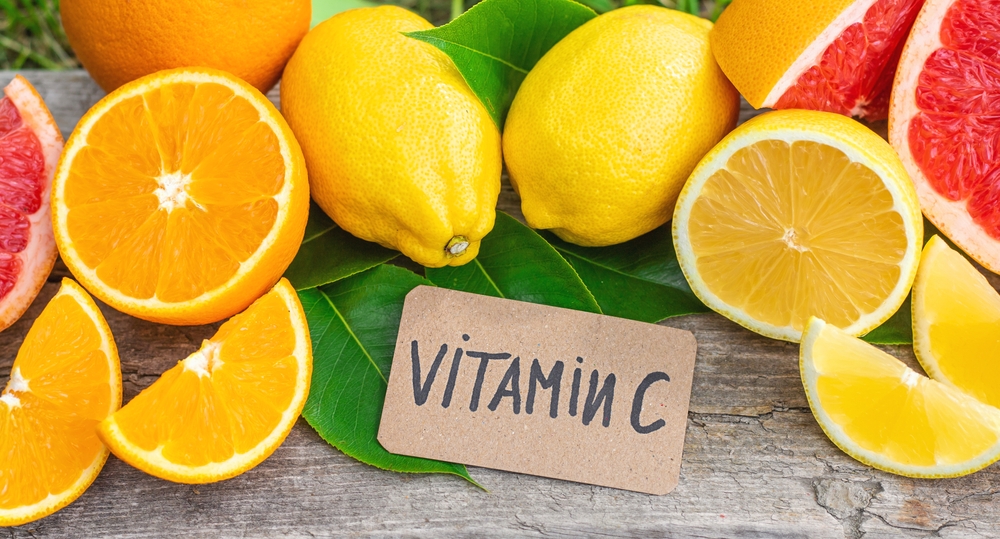
Collagen is a structural protein that helps give support and firmness to the skin and connective tissues. As we age, the body produces less of it, and its presence in our tissues gradually declines.
These changes are what lead to wrinkles, less elastic skin and a loss of firmness. Understanding the role of collagen and how to support its natural production is key to keeping a youthful, fresh appearance over time.
Vitamin C for the skin: not just immunity, but natural beauty
Vitamin C isn’t only important for the immune system: it also plays a key role for the skin, because it contributes to collagen synthesis and supports the regeneration of skin tissue (for example, in the case of minor damage such as redness or chapping).
This essential micronutrient is one of the best natural allies for keeping skin radiant, supple and youthful. That’s why vitamin C from food has become a priority for anyone who wants to take care of their skin naturally.
Why vitamin C and collagen always go together: the synergy explained simply
Vitamin C is therefore necessary for the body to produce collagen, which is why it is often linked to the wellbeing and appearance of the skin. This direct biological link makes vitamin C one of the most important nutrients for anyone who wants to naturally support collagen production.
In addition, vitamin C also has a powerful antioxidant action, helping to protect cells from oxidative stress caused by environmental factors. Finally, it contributes to normal collagen formation, which is important for the health of bones, cartilage and skin.
Combining vitamin C and collagen, when taken regularly, therefore becomes a natural, scientifically supported strategy for keeping skin youthful.
Natural lemon juice: the best source of vitamin C in your daily routine
Getting vitamin C regularly through your diet helps support several of the body’s functions. Fruit and vegetables, especially citrus fruits, are among the main natural sources of vitamin C.
Drinking natural lemon juice can be a useful habit as part of a balanced diet, but it shouldn’t be considered the only way to meet the body’s vitamin C needs.
For adults, in fact, the recommended daily intake is 90 mg for men and 75 mg for women.
How much vitamin C does lemon juice contain?
Raw lemon juice provides:
- About 94.4 mg of vitamin C per cup
- About 38.7 mg per 100 g
This means that a glass of natural lemon juice can cover a good part of your daily requirement in one go.
If you’re looking for a practical solution for your everyday routine, the combination of lemon juice and ginger can also be an appealing ready-to-drink option, as with “>Acti Lemon – Lemon & Ginger by Giancarlo Polenghi, designed to support your daily beauty and wellbeing routine.
Lemon juice and collagen: a perfect match for your morning beauty routine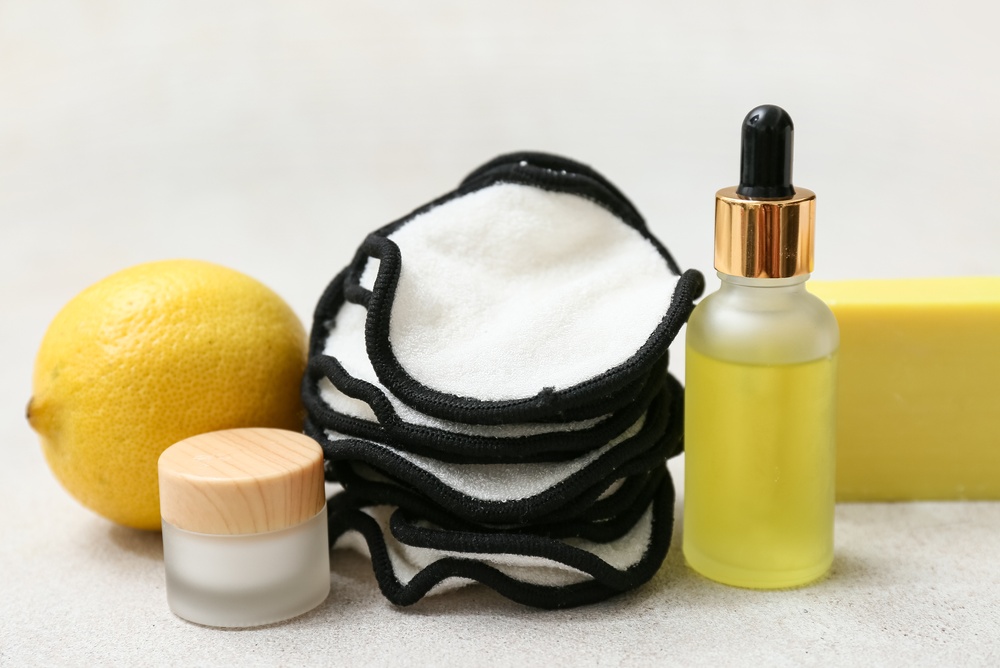
Lemon juice is a refreshing addition to your morning routine: it provides vitamin C, which contributes to normal collagen formation for the normal function of the skin. Polenghi Spinagallo 100% organic lemon juice, in its handy glass carafe, is designed precisely for everyday use.
But be careful: lemon alone doesn’t automatically stimulate collagen or prevent wrinkles. It’s a valuable ally, but what really matters is your overall lifestyle: a varied diet, good hydration, sun protection and rest.
And for those looking for vitamin C and collagen in a single step, there’s something new from Acti Lemon.
Lemon, blueberry and collagen: the new Acti Lemon
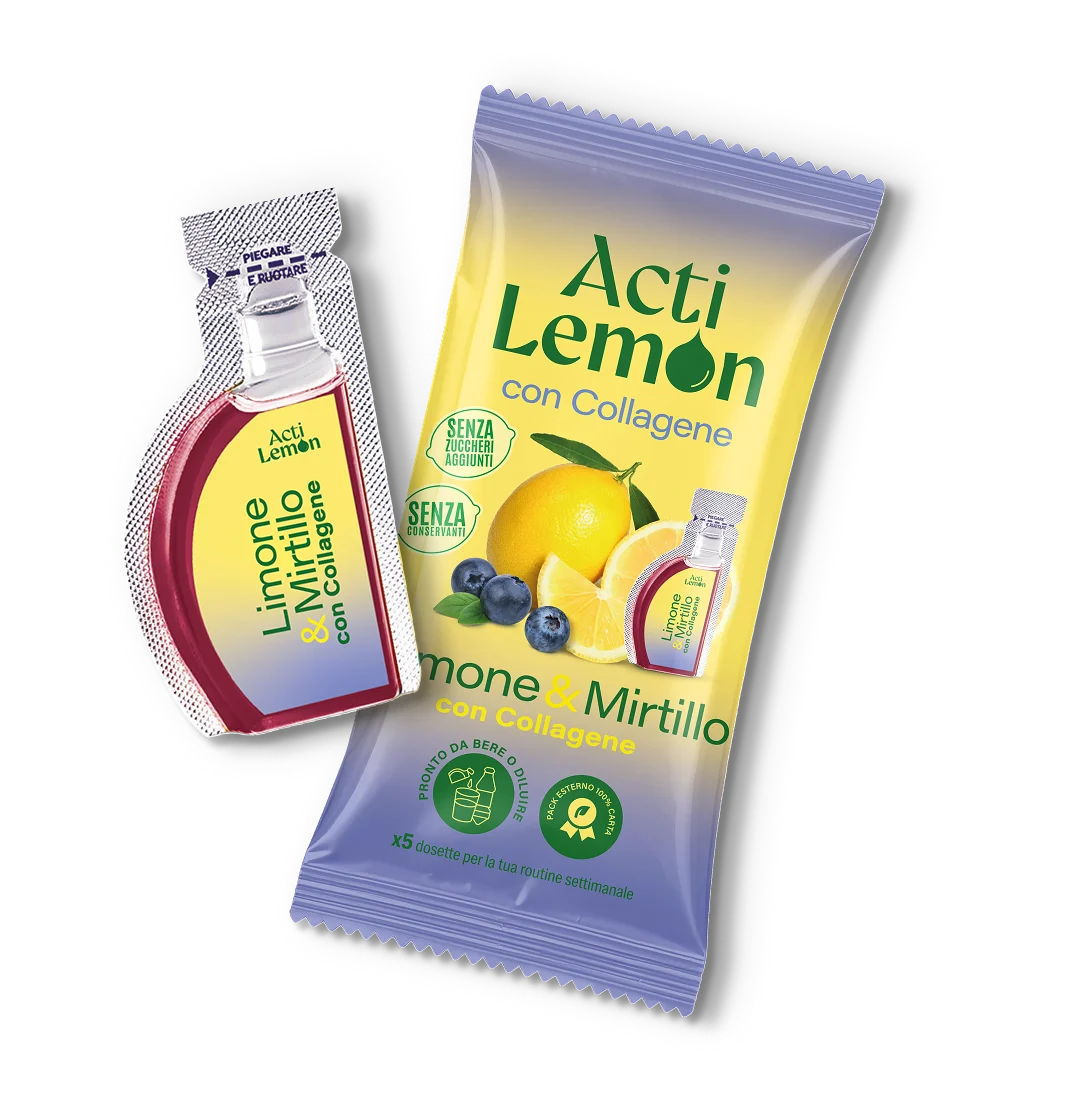
For those who want to combine vitamin C and collagen in a single daily step, Giancarlo Polenghi offers Acti Lemon – Lemon & Blueberry with Collagen , a 100% natural formula that combines lemon juice, a source of vitamin C, with the smooth, fruity taste of blueberry and with collagen. The vitamin C in lemon contributes to normal collagen formation for the normal function of the skin, while blueberry enriches the formula with its natural plant compounds, such as anthocyanins and polyphenols. With no added sugars and no preservatives, it comes in handy single-dose sachets to drink as a one shot or dilute in water: a small daily ritual to take with you at home, at work or during your workout, as part of a varied, balanced diet and a healthy lifestyle.
How to include vitamin C and collagen in your daily routine: the most effective practical tips
There are a few simple tips that can help you get more vitamin C and collagen throughout the day:
1. Eat foods rich in natural vitamin C
- Citrus fruits (lemons, oranges, mandarins)
- Strawberries and kiwis
- Fresh vegetables (peppers, broccoli, cabbage, etc.)
2. Pair vitamin C and collagen in a balanced routine
Combining organic lemon juice with protein-rich foods supports the natural synthesis of collagen.
3. Choose hydrolysed collagen
A highly absorbable form of collagen, ideal if you want to further support the natural production of this structural protein.
4. Include quality protein sources in your diet
They provide the nutrients needed for healthy tissues and collagen production.
5. Drink plenty of water every day
This helps keep skin supple and supports the delivery of nutrients to the cells.
When to take vitamin C and collagen: morning or evening?

There is currently no clear consensus on the best time of day to take vitamin C and collagen. Consistency matters more than timing, along with following the directions for use in the case of supplements.
Many people prefer to drink lemon juice in the morning to start the day with a boost of natural vitamin C, while others have it with meals. What matters is making it a regular habit.
Frequently asked questions about vitamin C, collagen and lemon juice
Does vitamin C really help collagen production?
Yes. Vitamin C contributes to normal collagen synthesis, which is why it is often associated with the health and appearance of the skin. This is a scientifically proven relationship, not a myth.
Can I get vitamin C from lemon alone?
No. Natural lemon juice is a useful and convenient source of vitamin C, but it isn’t the only one, nor necessarily the richest. A varied diet can also provide vitamin C through other citrus fruits, kiwis, strawberries, peppers, broccoli and many other foods.
How much vitamin C do you need to stimulate collagen?
Vitamin C is needed for collagen production, but there is no official amount intended specifically to “stimulate” it for cosmetic purposes: what matters most is getting the nutrient regularly as part of a balanced diet.
Is drinking lemon juice good for your skin?
Yes, but it’s not a beauty shortcut. When you drink it, organic lemon juice provides vitamin C, which is useful for collagen production, but on its own it isn’t enough to visibly improve your skin. It should be part of an overall healthy lifestyle.