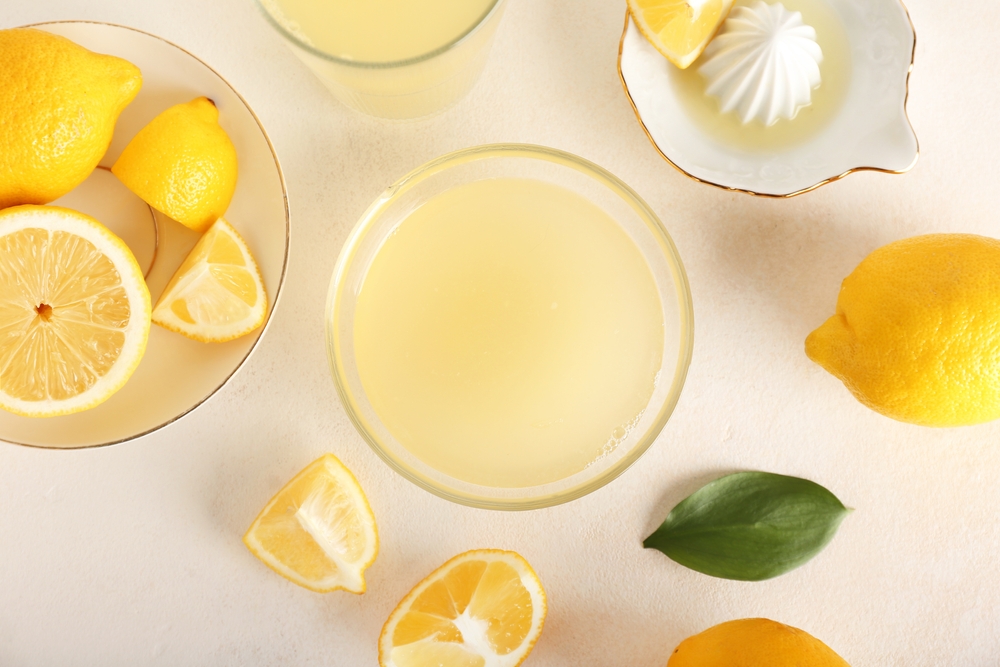
Un buon succo di limone si riconosce dall’insieme di profumo, acidità, colore e persistenza, non da un singolo elemento. Deve avere un profumo agrumato netto, un’acidità decisa ma priva di retrogusti estranei e un sapore che resta pulito dopo l’assaggio. Il colore, da solo, non è un indicatore affidabile.
The characteristics of good lemon juice: what makes it recognizable
Lemons have a high acid content and a very distinctive flavor profile. For this very reason, “good” does not mean low in acidity or sweetness: it means consistent with the fruit’s natural characteristics and free of irregularities.
The European regulatory framework – Directive 2001/112/EC, transposed into Italian law by Legislative Decree 151/2004 and amended several times – stipulates that a fruit juice must have the color, aroma, and taste characteristic of the fruit from which it is derived. However, this is a definition of composition and labeling: it specifies what can be called fruit juice, not whether that juice is good or safe.
The aroma: the first sign of quality
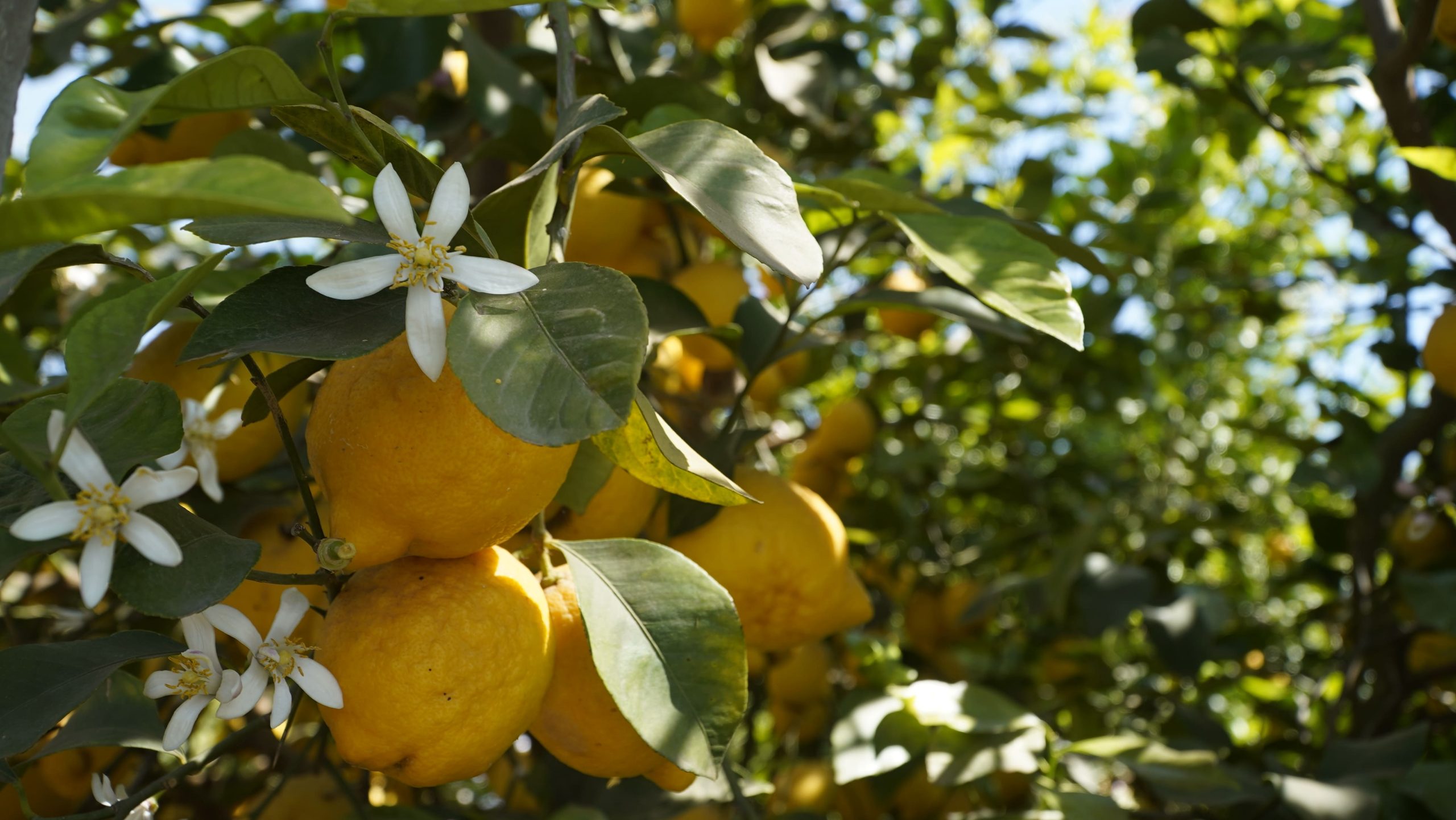
The aroma of lemon comes from the natural presence of numerous aromatic compounds within the fruit. Juice in good condition should therefore have a fresh, citrusy aroma that is easy to recognize.
During storage, some of these components may change or degrade, causing the juice to lose some of its aromatic freshness and potentially develop foreign flavors (so-called off flavors).
Acidity: bold, yet clean
As we’ve already mentioned, a lemon’s acidity is a defining characteristic of the fruit. When we speak of “clean” acidity, we don’t mean a lemon that’s not very acidic, but rather a flavor in which no unusual, metallic, fermented, or otherwise foreign aftertastes are present.
Balance: when the acid doesn’t overpower the rest
Lemons also contain sugars and aromatic compounds that contribute to their overall flavor. A well-balanced juice is one in which the acidity, while remaining the dominant feature, still allows the fruit’s citrusy character to shine through.
Color: a clue, not proof
The color of the juice varies depending on the variety, the degree of ripeness, the presence of pulp, the processing method, and filtration. A deep yellow color is therefore not synonymous with superior quality, nor is a cloudier liquid indicative of inferior quality. Furthermore, browning may occur over time.
Persistence: what remains after tasting
After tasting, there should be a citrusy sensation consistent with the fruit and clean on the palate. Notes of mold or a stale flavor, on the other hand, indicate a loss of quality.
How to tell if lemon juice is still good
Let’s now see how to tell if lemon juice is still good using a simple test you can do right at home:
- Visual inspection: look for mold, sudden browning of the liquid, an unusual consistency, or bulging in the container;
- Smell test: check whether the juice has lost its usual flavor or if there are any foreign odors – such as a musty smell or a scent very different from the normal aroma of lemon;
- Taste test: before proceeding with this step, make sure there are no obvious signs of spoilage. If you are still unsure, you can taste a small drop of the liquid to determine whether it has a stale, fermented, bitter, or metallic taste.
It is important to remember, however, that sight, smell, and taste can help identify obvious spoilage or a loss of quality, but they do not constitute a microbiological safety test.
Just because a product taste good doesn’t necessarily mean it’s safe. You should always pay attention to the information on the label.
- The phrase “best before” refers to food safety, and the product should not be consumed after that date.
- “Best before”, on the other hand, relates to quality. If stored properly, the food may still be safe to eat, even though it may have lost some of its original characteristics.
Polenghi juice and fresh lemons: two ways to bring lemons to the table
Fresh lemons allow you to use the juice, zest, and slices, which is particularly useful when you want to use multiple parts of the lemon in a recipe.
Ready-to-use juice, on the other hand, offers various advantages in terms of convenience, immediate availability, ease of measurement, consistency in use, and zero waste: you simply pour out the amount you need, while the rest is stored according to the label instructions, avoiding the classic scenario of half a lemon left in the fridge that eventually dries out. It is therefore particularly useful when you need an easily measurable amount – for recipes that call exclusively for juice, or for marinades, dressings, and beverages.
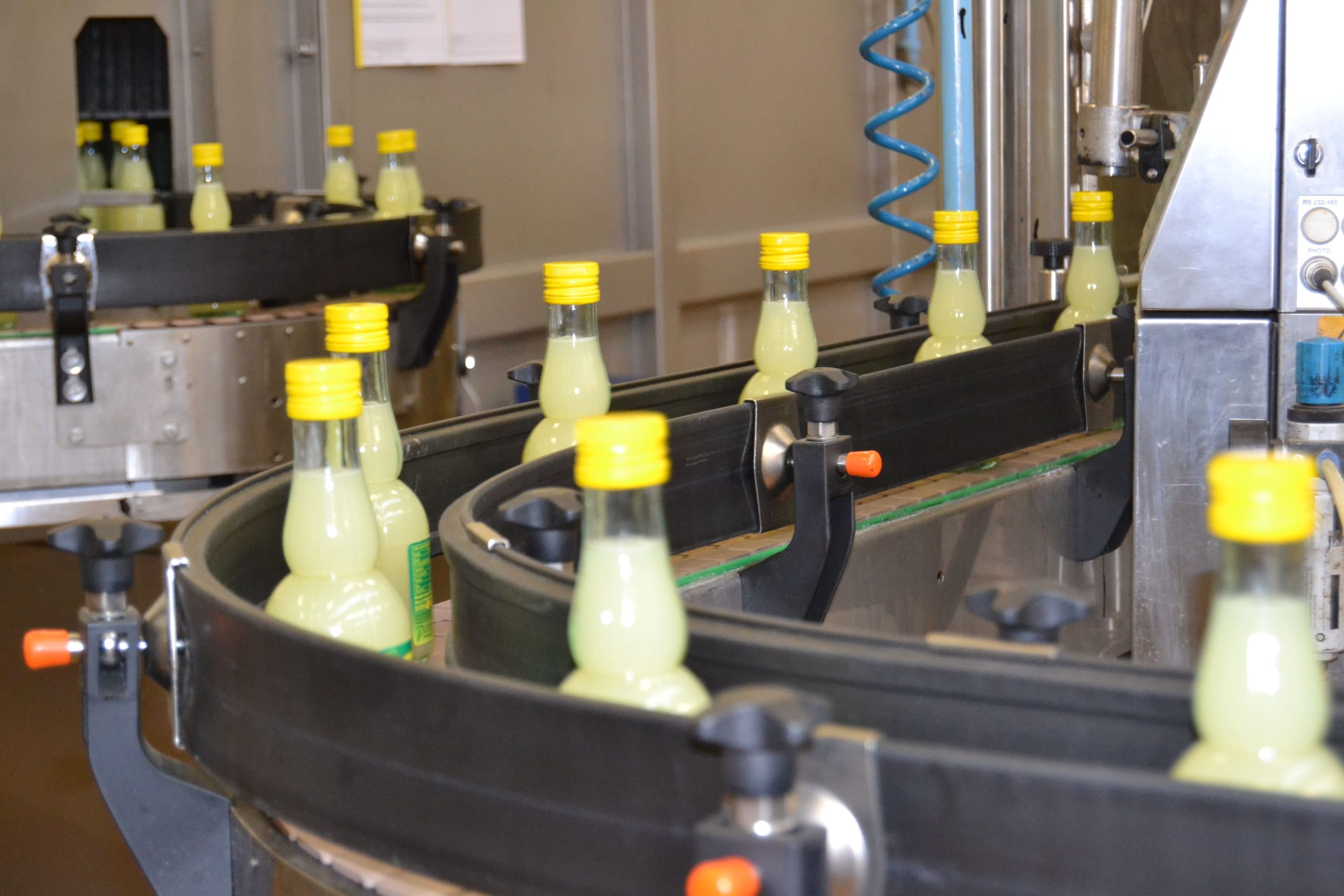
It is precisely this need for practicality that marks the beginning of Giancarlo Polenghi’s story. Today, the company selects, harvests, and processes lemons within 24 hours of harvest using a cold-pressing method that replicates the mechanism of a household juicer, but on an industrial scale. The fruit is cut in half and squeezed using rotating elements without resorting to high pressure or excessive speeds that could damage its organoleptic properties.
One example is Giancarlo Polenghi’s Caraffina, made from Sicilian lemons with no added preservatives. Another is Polenghi Spinagallo, an organic juice made from the Femminello Siracusano variety grown on the Spinagallo estate in Sicily.
We cannot, therefore, determine whether packaged juice is better than fresh lemons: they are different solutions, both valid, suited to different needs and preparations.
How to use lemon juice in cooking?
Lemon juice can also be added at different stages of food preparation, depending on the desired result:
- raw, for a particularly fresh aroma;
- after cooking, to add acidity to the dish;
- in a marinade, so that the lemon juice comes into direct contact with the food.

Pairings with fish, meat, vegetables, and desserts
| Food | How to use lemon juice | What to consider |
|---|---|---|
| Fish | Once cooked, use it as a seasoning or in a marinade; it’s also perfect on tartare and carpaccio. | It’s best not to overdo it with delicate fish. |
| Meat | Add them while marinating with oil, herbs, and spices, or in small amounts after cooking. | Marinades that are left on too long or are too acidic can alter the texture of the fish too much. |
| Vegetable | Use it raw, after cooking, or for briefly marinating zucchini, eggplant, mushrooms, onions, and other vegetables. | Lemon creates a pleasant contrast with sweet vegetables and dishes rich in oil. You can also add a little extra virgin olive oil to marinades. |
| Dessert | In dough, in creams, in glazes, or as an acidic element to provide contrast. | The amount and method depend on the recipe. |
Lemon juice in beverages
Lemon juice can also be used in beverages, from flavored water to lemonade and even cocktails.
In lemon water, the amount can be adjusted freely depending on the desired intensity.
In lemonade and soft drinks, however, the principle is to balance the acidity of the juice with the sweetness of sugar, syrups, or fruit, and with the dilution provided by still or sparkling water.
The same principle applies to cocktails. There is no single ratio that works for all recipes, but lemon juice is often balanced with a sweet component.
Frequently asked questions about lemon juice
How long can lemon juice be stored in the refrigerator?
Freshly squeezed juice should be transferred to a clean, tightly sealed container and consumed within 2–3 days. For packaged juice, follow the instructions on the label. For more information, see the article on storing lemons.
Does frozen lemon juice retain its properties?
Freezing slows down the processes that degrade the organoleptic characteristics, but over time, freshness and aromatic intensity still tend to diminish.
Can you use expired lemon juice?
It depends on the label. If it says “use by,” the product should no longer be consumed. If it says “best before,” it may still be safe to eat, even though it may have lost some of its qualities.
Is darker lemon juice of lower quality?
Not necessarily. The color depends on several factors and should be evaluated along with the smell, texture, and information on the label.