27 AUGUST 2026
What to drink before, during, and after a workout: water and lemon for hydration, energy, and recovery

During physical activity, the body loses fluids and minerals through sweat; for this reason, what you drink before, during, and after a workout depends on the type of exercise. In most cases, water remains the foundation, and lemon juice can add flavor, freshness, and a small number of micronutrients.
In this article, we’ll explore the benefits of lemon in sports, its limitations, and the most common myths, along with some ideas for making simple drinks at home using Polenghi lemon juice.
Why is hydration important when playing sports?
When you exercise, your fluid needs increase: the more intense or prolonged the workout – or the higher the temperature – the more your body sweats to regulate its internal temperature. Through sweat, you lose not only water but also sodium and chloride, and, in smaller amounts, potassium, magnesium, and calcium.
Inadequate hydration can affect athletic performance by influencing endurance, perception of exertion, thermoregulation, and the ability to maintain training intensity.
Staying well-hydrated, however, doesn’t just mean drinking more – it means drinking in a way that’s appropriate for the level of exertion. For regular workouts, water is the foundation; during periods of heavy sweating or prolonged activity, it’s also helpful to replenish electrolytes and, to maintain energy levels, carbohydrates.
Are lemons good for people who exercise? What the nutrients say
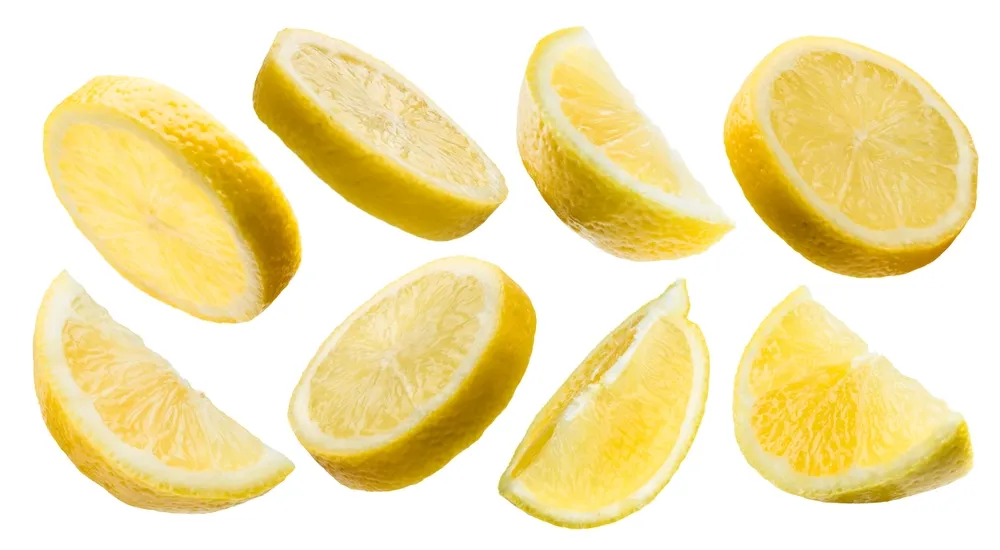
Lemon is a natural and practical ingredient for people who work out, especially because it adds flavor to water and makes it more enjoyable – a simple way to drink more before, during, and after a workout. Its key benefits include vitamin C content, a good source of potassium, and its versatility in light, refreshing homemade drinks.
It is important not to confuse it with a complete sports supplement: on its own, it does not provide significant amounts of carbohydrates, sodium, or protein, and it is not a substitute for a balanced diet or for products formulated for intense or prolonged physical activity.
Is lemon good for your muscles?
Lemon does not act directly on the muscles and does not “repair” them: it can make a small contribution thanks to the nutrients it contains and, by making hydration more enjoyable, helps you drink more consistently. Muscle health depends on a broader balance: a balanced diet, minerals, rest, and a workout routine suited to your body.
Vitamin C and potassium: support for those who work out
Vitamin C and potassium play different roles and should always be considered as part of a well-balanced diet.
| Nutrient | What it’s used for | Why it may be of interest to people who exercise |
|---|---|---|
| Vitamin C | A vitamin with antioxidant properties; it supports the immune system and promotes the absorption of iron, which is found primarily in plant-based foods. | Useful for those who want to support their body’s immune system and for those who follow plant-based diets or diets with reduced meat consumption. |
| Potassium | It plays a role in fluid balance, nerve transmission, and muscle contraction. | It contributes to normal muscle function and fluid, and electrolyte balance. Lemons contain some of them, but they are not among the richest sources. |
What to drink during a workout

The type of beverage you should drink during a workout depends on the duration and intensity of the exercise, the outside temperature, and the amount of sweat produced.
- Short or moderate workouts (for example, a gym session lasting up to about 60 minutes): Water is usually enough. Alternatively, water with lemon makes it more enjoyable and encourages fluid intake.
- Intense workouts lasting more than 60 minutes, endurance sports (running, hiking, cycling), or sessions in extreme heat: a drink containing electrolytes and carbohydrates may be helpful, with the carbohydrates serving as an energy source during prolonged exertion.
Drinking water and lemon during a workout: when it makes sense
There are situations in which water with lemon during a workout is a simple and suitable choice:
- light or moderate workouts;
- activities that aren’t too long, such as a gym session;
- when you need a cool, light drink to sip during exercise;
- when you have trouble drinking plain water, and a more pleasant taste helps;
- as an alternative to flavored or sugary drinks, when you don’t need actual sports nutrition.
It is best to use lemon diluted in water, avoiding excessive amounts of juice, especially if the drink is sipped over a long period of time. The acidity of the juice should also be taken into account: in some people, it can cause stomach discomfort, heartburn, or acid reflux; therefore, those who suffer from gastritis or acid reflux should carefully consider whether this is the most appropriate solution.
Water, salt, and lemon during training in endurance sports
In high-intensity or long-duration sports such as long-distance running, cycling, hiking, summer outdoor workouts, and endurance sports – when the activity lasts more than 60–90 minutes, you sweat heavily, or you’re in the heat – water alone may not be enough to replenish what you lose through sweat. Here, the sodium in the salt helps maintain fluid balance, while a source of carbohydrates provides energy. In this combination, the lemon adds flavor, freshness, and a dose of micronutrients. The recommended amounts are listed in the recipe below.
How to make a homemade lemon isotonic drink: recipe and measurements
A practical and natural solution is to make a homemade lemon drink, tailored to the type of workout.
It is not a substitute for medical advice or professional supplements: it is a simple alternative to support daily hydration or recreational exercise.
For a light or moderate workout:
- water;
- lemon juice;
- optionally, a little honey or sugar, for a milder taste or a small amount of energy.
For prolonged exercise or in intense heat, add:
- a pinch of salt (sodium);
- a source of carbohydrates (sugar, honey, or malt) for energy.
In this recipe, Polenghi lemon juice is a convenient way to add flavor quickly and easily, allowing you to prepare refreshing and versatile drinks anytime.
When you can’t prepare it in advance, an alternative is Acti Lemon – Lemon and Ginger: organic lemon and ginger juice in convenient single-serve packets, to drink straight from the packet or mix with water – perfect for taking with you before, during, or after your workout.
Lemon after a workout: how it can help with recovery
After a workout, water remains the foundation for replenishing lost fluids; lemon can make it more appealing right after exercise, which is especially helpful for those who struggle to drink plain water or are looking for a light beverage after the gym, a run, or an outdoor activity.
Recovery, however, doesn’t depend solely on hydration: after an intense or prolonged workout, it may also be necessary to replenish minerals, carbohydrates, and protein through a balanced meal or snack.
Common myths about lemons and sports that need to be debunked
It is essential to learn to distinguish between what is supported by scientific studies and what is not proven and could potentially harm our health.
- Does lemon “burn” lactic acid? There is no solid evidence to support the claim that lemon eliminates or “burns” lactic acid. Recovery from muscle fatigue depends on many factors, including exercise intensity, training, active recovery, nutrition, sleep, and hydration.
- Does lemon speed up your metabolism? Lemon water may be a light, low-calories drink, but it shouldn’t be marketed as a metabolism booster. If consumed in place of sugary drinks, it can help reduce calorie intake, but that doesn’t mean it causes weight loss.
- Can water and lemon replace sports supplements? No. It can serve as a good base for a homemade drink, but on its own, it doesn’t provide the complete nutritional profile of a specially formulated sports drink. For intense or prolonged activities, you may need sodium, carbohydrates, and a more precise rehydration strategy.
- Does more lemon mean more benefits? Not necessarily. Too much lemon can upset your stomach, damage your teeth, or cause acid reflux. It’s best to focus on proper dilution, consistency, and your personal tolerance.
- Does lemon prevent cramps? Potassium contributes to normal muscle function, but cramps have multiple causes. It is incorrect to claim that lemon alone can prevent them.
Frequently asked questions
Is drinking water with lemon during a workout good for you?
Yes, if your body tolerates it well. It’s especially helpful for making the water more palatable and promoting hydration. During long or intense workouts, it may also be helpful to add electrolytes and carbohydrates.
Are lemons good for your muscles?
It contributes to potassium intake, which plays a role in muscle contraction, but it does not directly affect muscle growth or repair, and it is not a substitute for protein, carbohydrates, minerals, or a balanced diet.
Does lemon really help break down lactic acid?
No, there is no solid evidence to support that. Muscle recovery depends on hydration, nutrition, cool-down, adaptation to training, and rest.
What should you drink after workout?
Water remains the best way to replenish lost fluids; you can add lemon for a fresher taste. After very intense or prolonged physical activity, it’s also helpful to replenish electrolytes and carbohydrates with a snack or a balanced meal.