17 JULY 2026
Varieties of Italian lemons: a guide to the finest cultivars and their characteristics
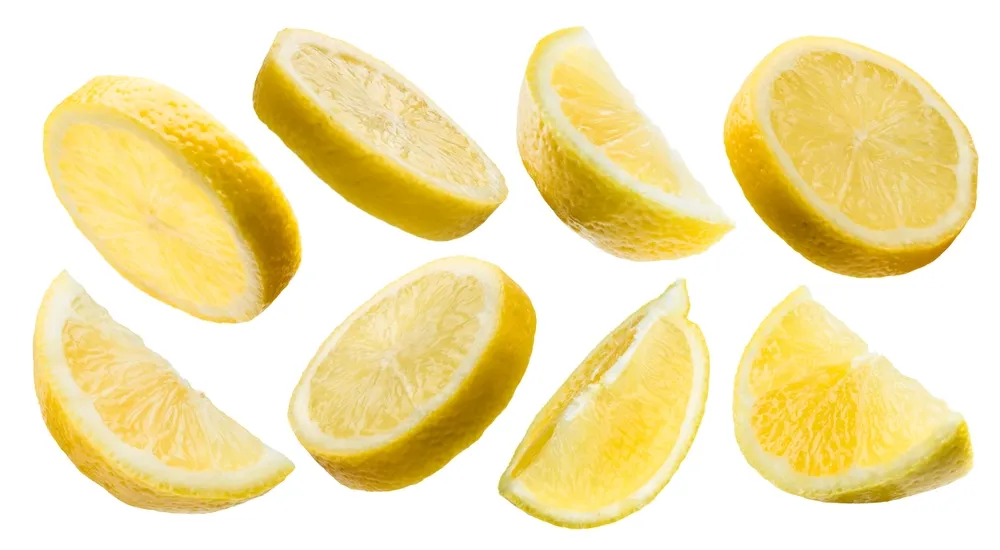
We use lemons every day, often without stopping to wonder where they come from or what distinguishes one fruit from another in terms of flavour, aroma, colour and juice content.
But how many varieties of lemons are there really? There is no exact figure: worldwide, there are countless varieties,
including cultivated varieties, hybrids and local ecotypes, which are difficult to count definitively. In Italy, however, the figure is clear: there are seven PGI designations dedicated to lemons.
In this article, we offer an overview of the main varieties of lemons, starting with Italy – a country with a long tradition of citrus cultivation linked to its specific growing regions. This heritage is also celebrated by Polenghi through
its organic and natural lemon juice.
The Italian lemon: why it is different from all the others
Citrus limon belongs to the Rutaceae family, and the term ‘lemon’ refers to both the plant and the fruit. Yellow and generally oval in shape, it has a more or less thick and rough skin and a white inner layer, known as the albedo.
In a favourable climate, the plant can flower and bear fruit several times a year: depending on the harvest period, the colour, juiciness and aromatic intensity of the fruit vary.
| Type | Approximate season | Colour/characteristics | Ideal use |
|---|---|---|---|
| Primofiore | October–March/April | Winter lemon, yellow, aromatic, juicy | Juice, dressings, desserts, everyday use |
| Bianchetto or Maiolino | April–June | Spring lemon, paler, fresh | Sorbets, creams, drinks, light recipes |
| Summer lemon or Verdello | June/July–September | Summer lemon, green or greenish-yellow rind | Granitas, cocktails, cold dishes, fish |
The main varieties of Italian lemons: characteristics and uses
There is a rich variety of Italian lemons: some are known for their abundant juice, others for their fragrant zest, and still others for their delicate flavour or their strong link to the local area.
Let’s explore the best-known varieties to discover their similarities, differences and main uses.
Femminello Siracusano PGI: the most widely grown Italian variety and the heart of Polenghi juice
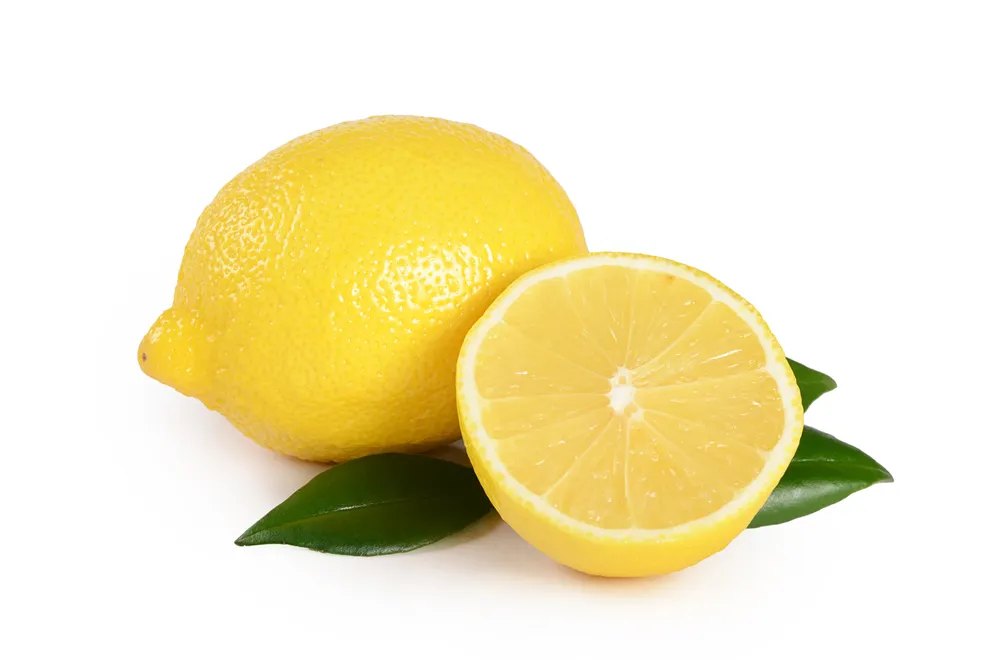
The Femminello Siracusano is one of the most representative varieties in Italian lemon cultivation. Associated with the Syracuse Lemon PGI, this citrus fruit can produce lemons at various times of the year, depending on the flowering period.
The name ‘Femminello’ refers to the plant’s fertility, as it is capable of flowering several times a year and producing fruit with a high juice content. The balance between juice, peel and essential oils makes it versatile: it can be used in sweet and savoury recipes, drinks, condiments, baked goods, ice cream and liqueurs.
It is precisely this native Sicilian variety that Polenghi Spinagallo showcases: Polenghi Spinagallo’s organic lemon juice is made from the ‘Femminello Siracusano’ grown on the historic Fondo Spinagallo estate in Syracuse. A concrete example of how a local variety becomes the raw material for an everyday product.
Amalfi Coast PGI Lemon: the lemon with the intense aromas of the Amalfi Coast
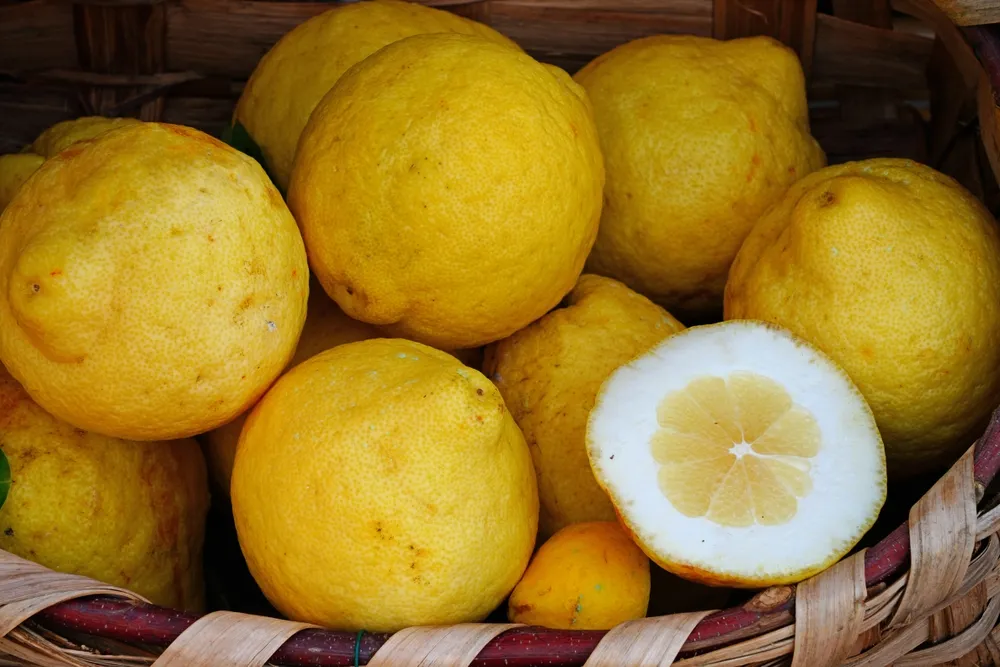
Also known as Sfusato Amalfitano, it has a tapered elliptical shape, a medium-thick citrine-yellow peel rich in essential oils, and juicy, almost seedless flesh.
It is the ‘zest lemon’: ideal for pastries, limoncello, candied fruit and creams, where its fragrance takes centre stage.
It is grown on the terraces of the Amalfi Coast, benefiting from a mild climate and sea exposure.
Sorrento Lemon PGI: the king of Campania’s pergola-grown lemons
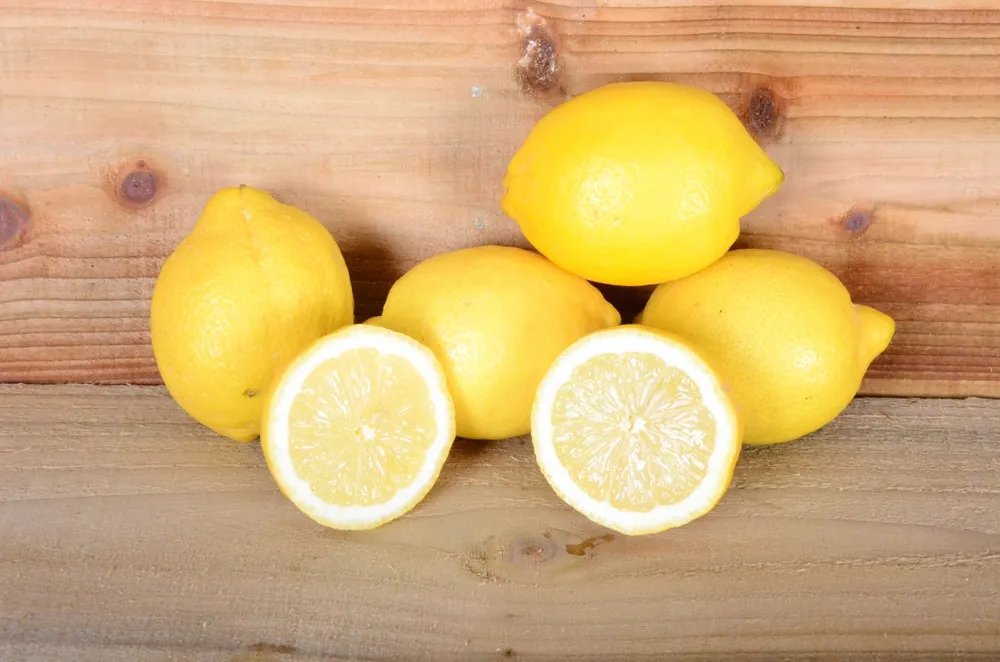
Belonging to the Ovale di Sorrento (or Massese) ecotype, it is oval in shape, medium to large in size, with a peel rich in essential oils and very juicy flesh with high acidity.
It grows in the traditional pergola-style lemon groves of the Sorrento Peninsula and the island of Capri, and is harvested by hand to preserve the peel.
Perfect for limoncello, jams, sorbets, and desserts.
Interdonato from Messina PGI: Italy’s most delicate lemon
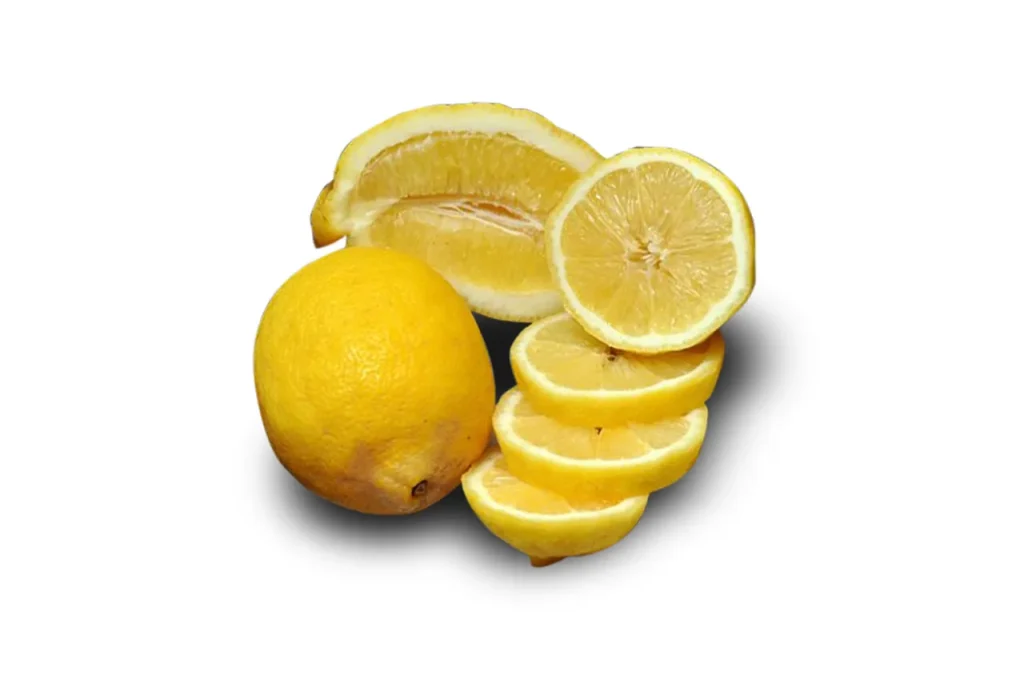
Compared to other varieties that are more aromatic or juicier, the Interdonato di Messina PGI is characterised by its delicate flavour profile. Originating from a natural hybrid between a citron and a lemon, it owes its name to Giovanni Interdonato, a colonel in Garibaldi’s army who selected it in the Messina area in the 19th century.
It is distinguished by its early ripening, thin skin, sweet flavour and moderate acidity.
It is a lemon of gentle balance: excellent for eating fresh or paired with tea, when a touch of freshness is needed without overpowering other flavours.
Femminello del Gargano PGI: the scent of Puglia
Lemon cultivation has also reached Puglia. Rich in essential oils and highly fragrant, its shape varies with each flowering season (ellipsoidal, oblong, ovoid or globular). Compared to the Femminello Siracusano, which is more closely associated with juice and processing, here it is the zest and aroma that matter: desserts, biscuits, jams, liqueurs, limoncello and fish dishes.
Etna Lemon PGI and Rocca Imperiale Lemon PGI: the lesser-known gems
Although less well-known, there are two other lemon varieties that deserve attention: the Etna Lemon PGI and the Rocca Imperiale Lemon PGI.
The Etna Lemon PGI is derived from the Femminello and Monachello varieties, with the typical seasonal types (Primofiore, Bianchetto, Verdello); the volcanic soils and microclimate define its flavour and aroma. Suitable for juice, granitas, drinks and fresh desserts.
The Limone di Rocca Imperiale PGI, from Calabria, is elongated in shape, medium in size, with few seeds and plenty of juice. It has an intense and lingering aroma but a balanced, non-bitter flavour: ideal for cakes, custards, delicate desserts and eating fresh.
Procida Lemon
This is not a PGI variety but a local variety included in Slow Food’s Ark of Taste, known as the ‘bread lemon’ due to the exceptionally thick and spongy white pith beneath the peel.
It turns the idea of the lemon as a juice fruit on its head: here, the albedo takes centre stage. Medium to large in size, elliptical in shape, with a tangy flavour and intense aroma, it is perfect served in slices, for example in a lemon salad.
Here is a handy summary table to help you recognise the most interesting lemon varieties:
| Variety | How to recognise it | Profile | Recommended uses |
|---|---|---|---|
| Femminello Siracusano PGI | Repeat-flowering, very juicy, linked to Primofiore/Bianchetto/Verdello | Versatile, fresh, aromatic | Juice, drinks, dressings, processed products |
| Amalfi Coast PGI Lemon | Tapered shape, fragrant rind, few seeds | Very aromatic | Pastry, zest, limoncello, candied peel |
| Sorrento Lemon PGI | Oval shape, rind rich in essential oils, very juicy | Intense, traditional, balanced | Limoncello, jams, sorbets, desserts |
| Interdonato from Messina PGI | Thin rind, early ripening, moderate acidity | Delicate, mild | Tea, light desserts, creams |
| Femminello del Gargano PGI | Yellow-citron rind, intense aroma, variable shape | Aromatic, persistent | Desserts, liqueurs, jams, fish |
| Etna Lemon PGI | Femminello and Monachello, seasonal types | Fresh, regional, citrusy | Granitas, juice, drinks, dressings |
| Rocca Imperiale Lemon PGI | Elongated shape, few seeds, abundant juice | Delicate, not bitter | Desserts, creams, fresh consumption |
| Procida Lemon | Large, thick albedo, “bread lemon” | Tart, fragrant, distinctive | Lemon salad, sliced fresh |
Lemon varieties around the world: the surprising facts you wouldn’t expect
As well as the seven Italian PGI varieties, the world of citrus fruits holds some intriguing varieties, which help us understand just how many nuances exist beyond the most common yellow lemon.
Meyer lemon: sweet and versatile, a cross between a lemon and a mandarin
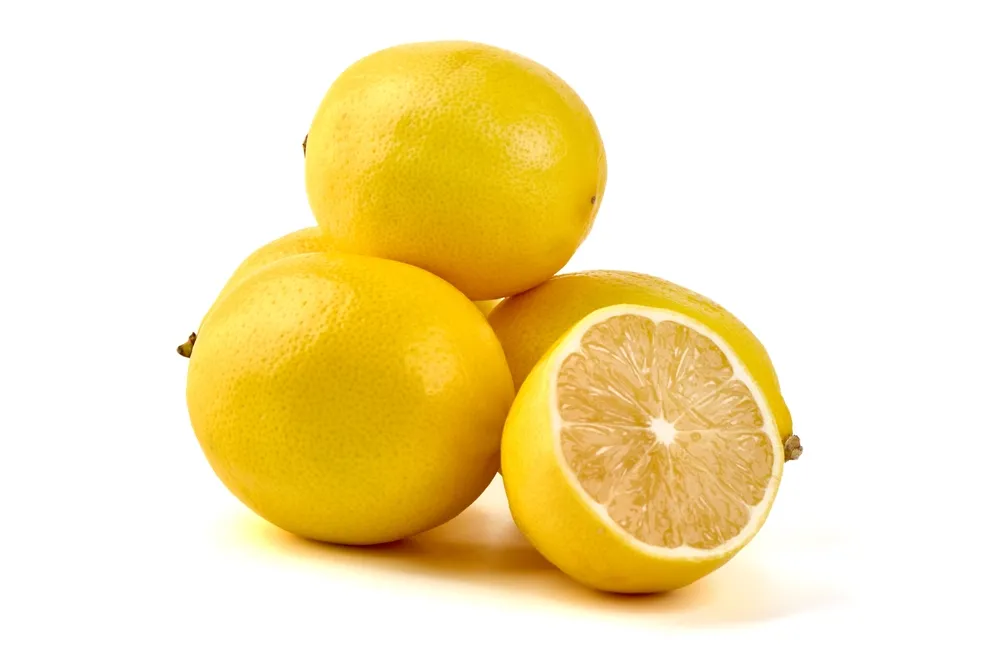
The Meyer lemon is one of the most interesting international varieties to mention because it is very different from the classic Mediterranean lemon. According to the University of California’s Citrus Variety Collection, it may be a hybrid between a lemon and an orange, introduced to the United States from Beijing in 1908 by the botanist Frank Meyer.
Round and compact, with smooth yellow-orange skin and pale flesh, it has a sweeter, milder flavour. Excellent for baked goods, custards, jams and cocktails.
The plant is compact and ornamental, and is also suitable for growing at home.
Red lemon (Rosso di Arquà Petrarca): an Italian rarity waiting to be rediscovered
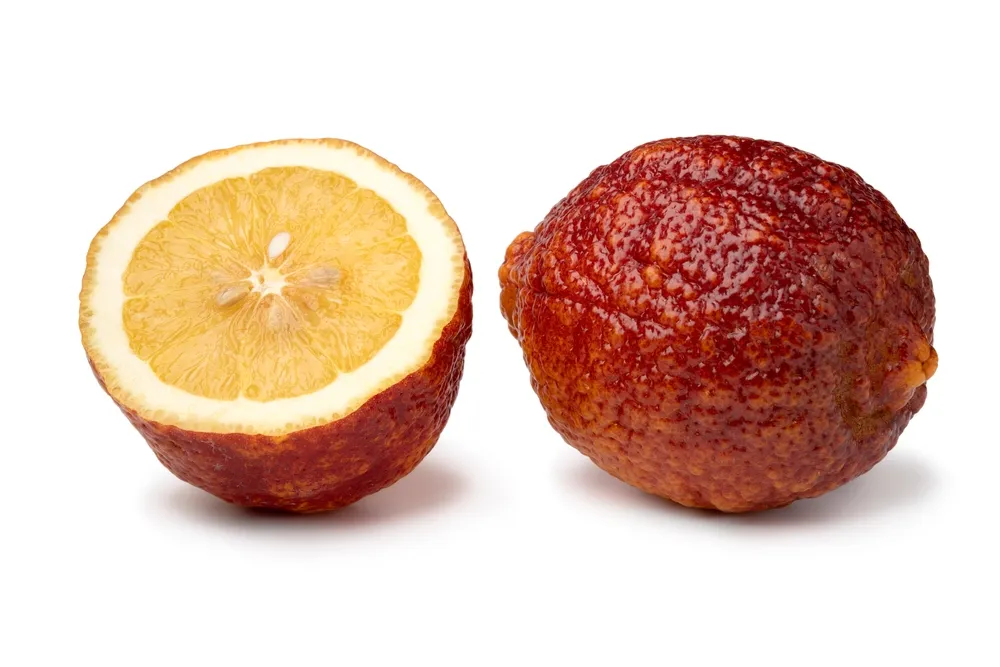
The red lemon is often mentioned amongst Italy’s curiosities; it is also known as: a rare and ornamental variety, prized above all for the colour of its fruit.
Compared to the more common yellow lemon, it is distinguished by the colour variations of its peel and, in some cases, its flesh, which can take on pinkish, orange or reddish hues depending on ripeness and climatic conditions. The peel can be thick and wrinkled, containing essential oils, whilst the flavour tends to be more tart and intense.
Rather than for widespread culinary use, the red lemon is of interest for its ornamental value and visual impact. It can be used in cooking in a similar way to the common lemon, but is mainly used in visually striking dishes, liqueurs, jams, candied fruit or as a decoration.
Buddha’s Hand (Citrus medica var. sarcodactylis): it is not a lemon, but it belongs to the family
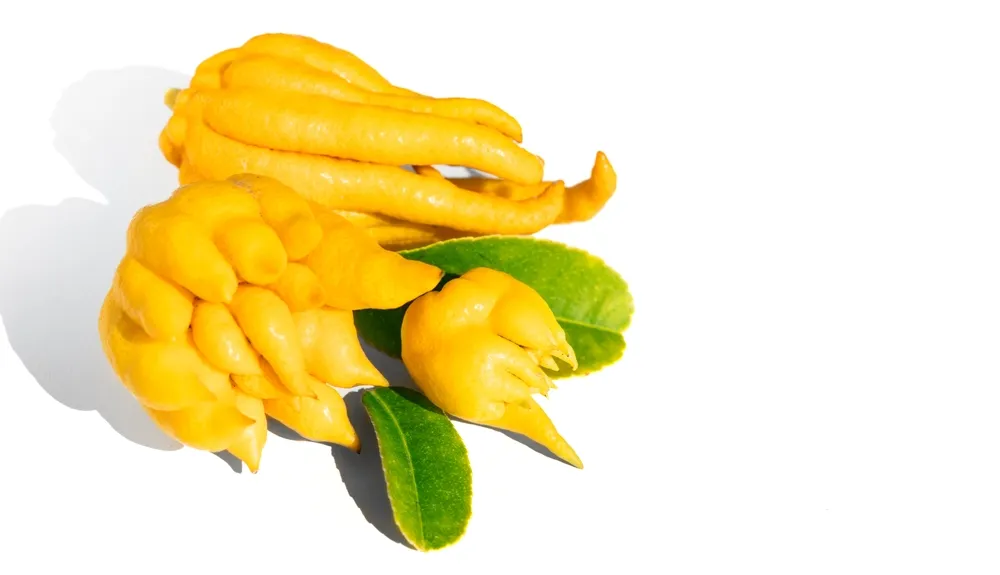
The Buddha’s Hand is not a lemon but a citron, that is, a variety of Citrus medica. It is therefore a citrus fruit belonging to the Rutaceae family, like lemons, citrons, oranges and mandarins, but it is not a true variety of lemon.
Its main characteristic is its unusual shape: the fruit is divided into elongated segments resembling the fingers of a hand; the interior consists almost entirely of white pith, with no juicy pulp.
It is not squeezed for juice: thanks to its intense fragrance, it is used for candied fruit, grated zest and liqueurs. In China and Japan, it has been a symbol of good fortune and long life for centuries.
How to recognise different varieties of lemons: a comparison of shape, peel and juice
To recognise different varieties of lemons, look out for a few practical features: shape, colour, peel thickness, juice content, presence of seeds, flavour profile and harvest season.
Bear in mind that colour should not be taken at face value: a green lemon is not necessarily unripe; it may simply be a ‘verdello’, i.e. a summer lemon. It is best to consider appearance, season and culinary use together.
| Feature to observe | What it indicates | Useful examples |
|---|---|---|
| Shape | Distinguishes oval, tapered, or elongated lemons | Costa d’Amalfi tapered, Sorrento oval, Rocca Imperiale elongated |
| Rind | Thickness, texture, and essential oils affect aroma and zest use | Amalfi and Gargano very aromatic, Procida with thick albedo |
| Colour | Can depend on variety, season, or ripeness | Verdello greenish-yellow, Meyer yellow-orange, red-tinged lemon |
| Juice | Indicates the best culinary use | Siracusano well suited to juicing, Sorrento juicy and aromatic |
| Acidity | Affects use in drinks, desserts, or fresh consumption | Interdonato milder, verdello fresh and citrusy |
| Seeds | Some varieties have few or almost none | Costa d’Amalfi and Rocca Imperiale nearly seedless |
| Harvest period | Can change colour, aroma, and intended use | Primofiore winter, Bianchetto spring, Verdello summer |
FAQ about lemon varieties
How many varieties of lemon are there?
There is no exact number: there are many varieties of lemon, cultivars, hybrids and local ecotypes around the world. They differ in shape, colour, the scent of the peel, juice content, acidity and harvest period.
How many types of lemon are there in Italy?
In Italy, there are seven recognised PGI lemon varieties: Siracusa, Costa d’Amalfi, Sorrento, Interdonato di Messina, Femminello del Gargano, Etna and Rocca Imperiale. In addition to these, there are local and traditional varieties, such as the Limone di Procida.
Which is the most prized Sicilian lemon?
It depends on the intended use. The Femminello Siracusano is among the most highly regarded for its juice and versatility, the Interdonato di Messina for its delicate, less acidic flavour, whilst the Limone dell’Etna highlights its connection to the volcanic region.
Which lemon varieties are cold-hardy?
The lemon is a Mediterranean plant and is sensitive to frost. Among the varieties best suited to harsher climates or to growing in pots, the Meyer lemon and the Lunario or Quattro Stagioni lemon are often mentioned, but they still need to be protected in winter.