1 APRIL 2026
Lemon juice: how to store it
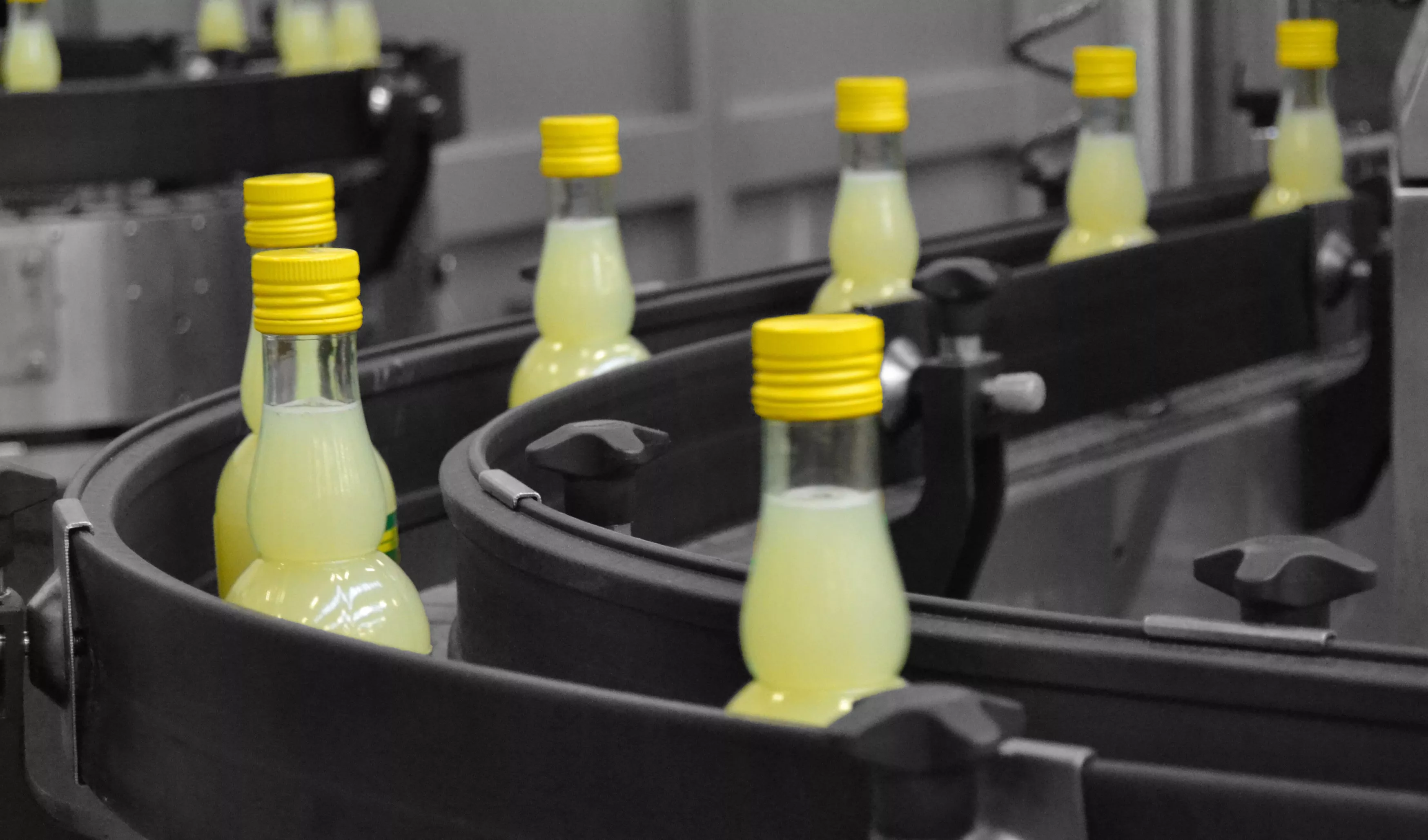
Fresh, fragrant and versatile, lemon juice is an ingredient that’s always worth having on hand in the kitchen. However, you don’t always have time to squeeze it fresh: for this reason, knowing the correct storage techniques can make all the difference.
If prepared in advance and stored properly, lemon juice can be used at multiple times, avoiding waste and keeping it ready for beverages, desserts or savory recipes. However, home storage requires care and precautions that are not always obvious; and it is precisely here that quality pre-packaged lemon juice proves to be the most practical and immediate solution.
It is useful to initially distinguish between the main usage and storage methods: on one hand, freshly squeezed juice, which requires more attention and fairly quick consumption times; on the other hand, pre-packaged lemon juice, designed precisely to always offer a ready-to-use ingredient, without compromising on quality.
In addition to these, there are storage techniques in the refrigerator, freezer or bottle, useful for those who choose to manage the juice at home, albeit with the limitations this entails.
Storing whole lemons: some basic guidelines
Before going into the details of the juice, it’s worth briefly recalling how to store a whole lemon, since the quality of the starting fruit directly affects the juice obtained from it.
A whole lemon keeps well in the refrigerator, in the fruit drawer, inside a paper bag or a breathable container: in this way it can last from 15 days to 3–4 weeks. If left uncovered, it tends to wrinkle quickly due to dry air. A cut or peeled lemon is even more delicate and should be consumed within a few days.
It is also possible to freeze a whole lemon, washed, dried and placed in a well-sealed bag. Once thawed, it loses some of its original consistency, making it more suitable for squeezing or zesting than for fresh use. These limitations confirm how much managing the fruit at home requires careful planning, unlike pre-packaged juice, which eliminates every variable.
How to store lemon juice: fridge, freezer or bottle?
Before choosing the storage method, it’s important to prepare the juice correctly. After squeezing, proceed with filtering to remove seeds and residue, then transfer the liquid to a clean, dry and well-sealed container.
These are simple operations, but they still require attention, time and proper management of containers and quantities.
- For the refrigerator, a simple bottle or practical airtight container is sufficient for use within a few days;
- for the freezer, on the other hand, it’s more convenient to divide it immediately into small portions, so you only thaw the necessary quantity.
Lemon juice in the fridge: practical, but with a very short shelf life
Storing lemon juice in the refrigerator is the most immediate method. The limitation, however, is significant. Freshly squeezed lemon juice keeps in the fridge for only 2–3 days, after which it rapidly loses freshness, fragrance and aromatic intensity.
It is different in the case of pre-packaged lemon juice, which is designed precisely to offer simpler and more continuous management of the product. It offers consistent taste over time, is always available without the need to squeeze it fresh, and the storage times after opening, indicated on the label, are significantly longer compared to homemade product.
Lemon juice in the freezer: longer shelf life, but more complex management
The freezer is one of the most practical solutions for storing lemon juice long-term. After filtering it, you can pour it into ice cube trays or special bags, obtaining ready-made portions. Once frozen, the cubes can be gathered in a single bag to save space. With this method, the juice keeps for 2–4 months.
Does frozen lemon juice lose its properties?
Contrary to what one might think, freezing lemon juice does not mean compromising its quality altogether. The cold allows it to be stored in a practical and prolonged way, although, over time, the aroma and freshness may be less intense compared to freshly squeezed product.
From a nutritional point of view, lemon juice continues to show a high presence of vitamin C and minerals even after freezing.
The same principle also applies to ready-made high-quality lemon juice, designed to offer a practical alternative to fresh without sacrificing attention to the raw material and its nutrients. An example is Polenghi organic lemon juice obtained from hand-picked lemons and cold-pressed, which combine convenience and product care.
Storing lemon juice in a bottle: the most labor-intensive method
It is also possible to store lemon juice in a bottle or in small glass jars. In this case it is essential to start with well-cleaned and sanitized containers, dried carefully before use, always leaving some space between the juice and the cap when filling.
Another crucial step concerns the airtight treatment: the juice should be heated for a few minutes, then poured into the containers. Finally, proceed with boiling the sealed containers, being careful to avoid shocks. Once cooled, the jars should be stored in a cool, dry place, checking that the vacuum seal has been successful before use.
As you can see,home preparation requires several precautions includingsanitization, heat treatment and verification of the airtight seal. Precisely for this reason, pre-packaged lemon juice represents a more immediate and straightforward solution for always having a ready-to-use ingredient on hand, ideal also for recipes like carrot soup with lemon juice.
Pre-packaged lemon juice: the natural answer to every need
As emerges from each method analyzed, storing lemon juice at home always implies a compromise between time, quality, shelf life and practicality. Fresh juice degrades quickly; frozen juice requires planning and multiple steps; homemade bottled juice requires experience and specific equipment.
Quality pre-packaged lemon juice addresses all these limitations together. It offers authentic and stable taste, is always available without waste, stores easily and requires no preparation.
For those who want to always have the best of lemon available in the kitchen, discovering Giancarlo Polenghi products is the most natural step.